“Stories never really end… even if the books like to pretend they do. Stories always go on. They don’t end on the last page, any more than they begin on the first page.”
- Cornelia Funke, Inkspell.
Author: Laurel L. Russwurm
inthetags:Reblog and put in the tags the character death you’re still angry about.
Reblog and put in the tags the character death you’re still angry about.
freshbrewedlife:Maddi Pearm

freenarnian:Some of you have never read The Secret Garden in the springtime and felt your spirit…
Some of you have never read The Secret Garden in the springtime and felt your spirit awaken and bud and flower along with the miracle of nature and in 2021 especially, you should.
independence1776:thegreenpea: sespursongles: just-shower-thoughts: People who like rocks see cool…
People who like rocks see cool rocks everywhere. People who like birds see interesting birds everywhere. The tree on your yard could be an exceptional specimen. The world around you could be amazing and magical, but you aren’t enough of a nerd to see it.
I gave my mum Alexandra Horowitz’s On Looking: Eleven Walks Through Expert Eyes for her birthday this year, it’s a book that revolves around this idea: the author invites 11 specialists in different things to walk around a boring city block with her one after the other so they can point out to her the things they see, that she doesn’t notice. There’s an expert in typography talking about what the variety of fonts on urban signs can tell you about the city’s history, an entomologist pointing out all the urban insects no one pays attention to, a geologist, a sound engineer…
See this is what I mean by “there are more wonders in this world than you can ever dream of and all you need to do is listen to its stories and see it’s magic. ”
I remembered this book existed a couple of months ago and couldn’t remember the name of it! I am very happy now and off to my library’s website to place a hold.
inthetags:Reblog and put in the tags who your favorite fictional lawyer is.
Reblog and put in the tags who your favorite fictional lawyer is.
ohmycavalier:I set myself a bit of a challenge with lighting,…
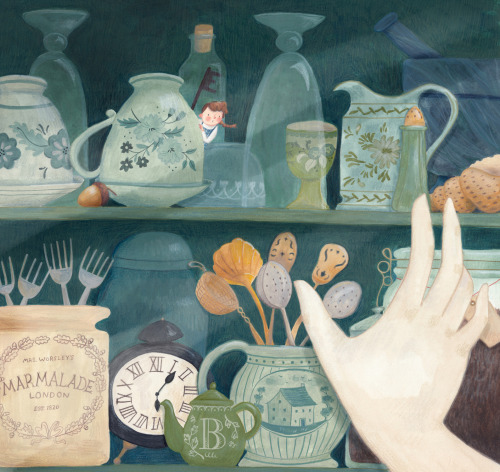
I set myself a bit of a challenge with lighting, clear glass, & filling space for this painting, & I’m really proud of how this piece came out! It was a challenge but I also got to indulge in painting things I enjoy painting (ie. antique dishware).
This was made with acrylic gouache, watercolor, color pencils, wax pastels, chalk pastels, and a little Photoshop to clean it up & make things pop ✨
.
You can see a step by step process of creating this by joining my Patreon btw😺
“He wanted to go home. He wanted it so much that he trembled at the thought. But if the price of that…”
“He wanted to go home. He wanted it so much that he trembled at the thought. But if the price of that was selling good men to the night, if the price was filling those graves, if the price was not fighting with every trick he knew… then it was too high.”
- Terry Pratchett, Night Watch.
- Terry Pratchett, Night Watch.
marypsue:Night Watch is one of Sir Terry’s most hopeless novels – and, by the same token, because of…
Night Watch is one of Sir Terry’s most hopeless novels - and, by the same token, because of the same things, one of his most hopeful.
It’s a parody - and I use that word very loosely, because there’s really nothing funny about it - of Les Miserables. It’s about a failed revolution, and a barricade, and the people who fought and died there for nothing. Nothing changes. Politics with a capital P goes on, and even the most pure and noble of intentions only becomes food for the pit of snakes who pull the strings. The powerful remain powerful, the powerless, despite their solidarity, their desperation, their violence, their hope, remain powerless. Their little lives don’t count at all. Things continue exactly as they always have, minus a few faces in the crowd.
It is also, I think, where we see Sam Vimes at his lowest. Sure, Thud! does similar things in stripping him down, but that is under an outside influence, and he has his family to think of. He has something to fight for.
In Night Watch, though, all of that is taken away. Sam Vimes, eternal cynic, for once has Cassandraic knowledge that his cynicism is absolutely founded. He knows how this will end, and there’s no Corporal Carrot to make the world magically better around him, no Sybil and Young Sam to push through for, no city to protect. The absolute best that he can expect is to succeed, and lose that family, that future, forever. The absolute worst? He dies. Everyone he cares about here dies. And it’s all in vain.
Sam Vimes is an alcoholic. It’s something that we tend to bring up when we’re talking about how amazing he is, how much he’s overcome, but gloss over otherwise. Which is a little sad, because it’s fundamental.
Sam Vimes faced this exact dragon, years ago. Sam Vimes saw there was no way to slay it. He saw the ants eating at the heart of every hope, every effort. He saw the first man he really knew as a good and kind and just - but never passive, never weak - man die, horribly, slain for no reason but petty grudge and Politics. He saw John Keel’s garden wither and die in its bed. He saw the hope of a better, brighter Ankh-Morpork squelched, and the sacrifice of a good man wasted. He saw the world, in all of its rotting, miserable, pestilent despair, spoiling every good thing that dared show its face, its only ordering principle the slow decay of entropy.
Young Sam Vimes had no anchor. Young Sam Vimes had nothing left to turn to but the bottom of a bottle and the smelliest part of an Ankh-Morpork gutter.
Sam Vimes, as of the events of Night Watch, is back there. Not only physically temporally displaced. He has nothing. There is no reason for him to stand up, to take on the role of John Keel, to take responsibility for the barricade, to try to bring Carcer back to justice. To fight the doomed fight. There is nothing between him and finding a quiet seat at the Broken Drum, ordering himself a pint, and giving up. There is nothing between him and despair.
But he gets up anyway. He intervenes anyway. He tries to help anyway, even when he can’t believe it will make any difference. And it doesn’t, in the end.
Except that people lived who, save for the actions of John Keel, would have died. Except it quite literally meant the world to them.
And that’s where the hope is hiding, in this hopeless, bleak, despair of a book. There is no glory. There is no revolution. There is no good thing that cannot be corrupted. There is no point. Except.
The Disc turns on the ‘except’. Always has. Always will.
marypsue:Night Watch is one of Sir Terry’s most hopeless novels – and, by the same token, because of…
Night Watch is one of Sir Terry’s most hopeless novels - and, by the same token, because of the same things, one of his most hopeful.
It’s a parody - and I use that word very loosely, because there’s really nothing funny about it - of Les Miserables. It’s about a failed revolution, and a barricade, and the people who fought and died there for nothing. Nothing changes. Politics with a capital P goes on, and even the most pure and noble of intentions only becomes food for the pit of snakes who pull the strings. The powerful remain powerful, the powerless, despite their solidarity, their desperation, their violence, their hope, remain powerless. Their little lives don’t count at all. Things continue exactly as they always have, minus a few faces in the crowd.
It is also, I think, where we see Sam Vimes at his lowest. Sure, Thud! does similar things in stripping him down, but that is under an outside influence, and he has his family to think of. He has something to fight for.
In Night Watch, though, all of that is taken away. Sam Vimes, eternal cynic, for once has Cassandraic knowledge that his cynicism is absolutely founded. He knows how this will end, and there’s no Corporal Carrot to make the world magically better around him, no Sybil and Young Sam to push through for, no city to protect. The absolute best that he can expect is to succeed, and lose that family, that future, forever. The absolute worst? He dies. Everyone he cares about here dies. And it’s all in vain.
Sam Vimes is an alcoholic. It’s something that we tend to bring up when we’re talking about how amazing he is, how much he’s overcome, but gloss over otherwise. Which is a little sad, because it’s fundamental.
Sam Vimes faced this exact dragon, years ago. Sam Vimes saw there was no way to slay it. He saw the ants eating at the heart of every hope, every effort. He saw the first man he really knew as a good and kind and just - but never passive, never weak - man die, horribly, slain for no reason but petty grudge and Politics. He saw John Keel’s garden wither and die in its bed. He saw the hope of a better, brighter Ankh-Morpork squelched, and the sacrifice of a good man wasted. He saw the world, in all of its rotting, miserable, pestilent despair, spoiling every good thing that dared show its face, its only ordering principle the slow decay of entropy.
Young Sam Vimes had no anchor. Young Sam Vimes had nothing left to turn to but the bottom of a bottle and the smelliest part of an Ankh-Morpork gutter.
Sam Vimes, as of the events of Night Watch, is back there. Not only physically temporally displaced. He has nothing. There is no reason for him to stand up, to take on the role of John Keel, to take responsibility for the barricade, to try to bring Carcer back to justice. To fight the doomed fight. There is nothing between him and finding a quiet seat at the Broken Drum, ordering himself a pint, and giving up. There is nothing between him and despair.
But he gets up anyway. He intervenes anyway. He tries to help anyway, even when he can’t believe it will make any difference. And it doesn’t, in the end.
Except that people lived who, save for the actions of John Keel, would have died. Except it quite literally meant the world to them.
And that’s where the hope is hiding, in this hopeless, bleak, despair of a book. There is no glory. There is no revolution. There is no good thing that cannot be corrupted. There is no point. Except.
The Disc turns on the ‘except’. Always has. Always will.